Fully Insured
Complete liability coverage for your peace of mind. Every job is done professionally and safely.
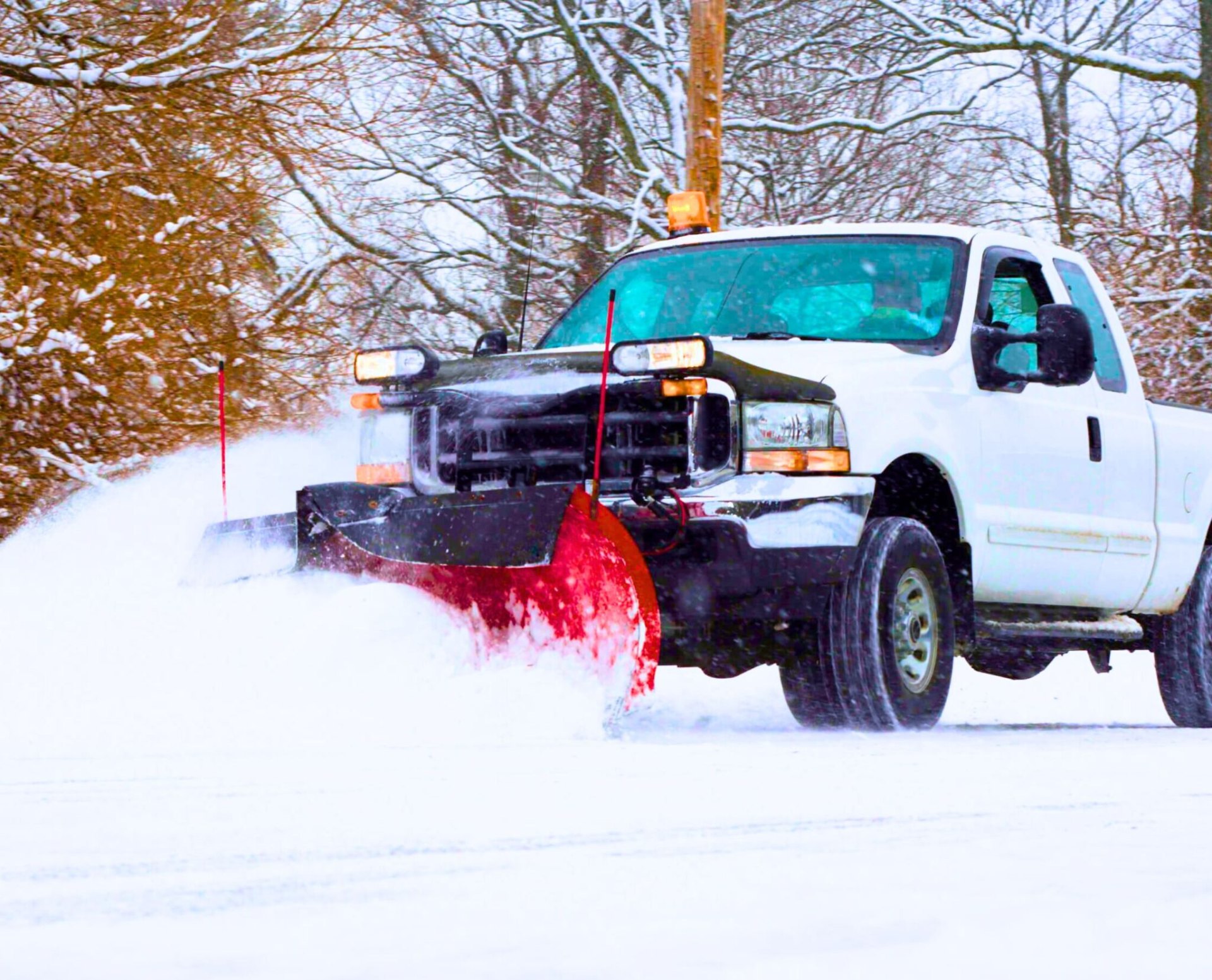
Expert lawn maintenance, landscaping design, and snow removal services—keeping your property beautiful year-round.
Same-day appointments available
Complete liability coverage for your peace of mind. Every job is done professionally and safely.
We know Minnesota lawns and what they need to thrive through every season.
Professional-grade equipment and premium products ensure your lawn looks its absolute best.
Clear communication, honest pricing, and services completed on schedule. No surprises.
Riekels Lawn Care & Landscaping is the trusted choice for homeowners and business owners in the West Metro. From weekly mowing to complete landscape transformations, we bring expertise and a commitment to quality you can rely on.
As a locally-owned company, our team combines hands-on experience with deep knowledge of Minnesota's unique climate to deliver lawn care and landscaping solutions that keep your property looking its best year-round.
Tell us about your lawn care, landscaping, or snow removal needs. We'll provide a clear, upfront estimate.
Our skilled crew completes your project with precision and professional-grade equipment.
We clean up thoroughly and leave your property looking its absolute best.
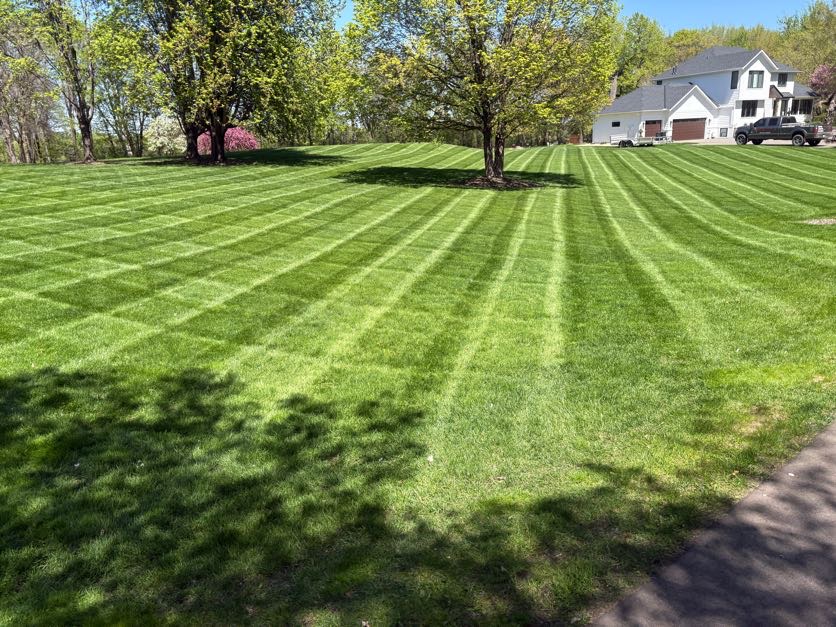
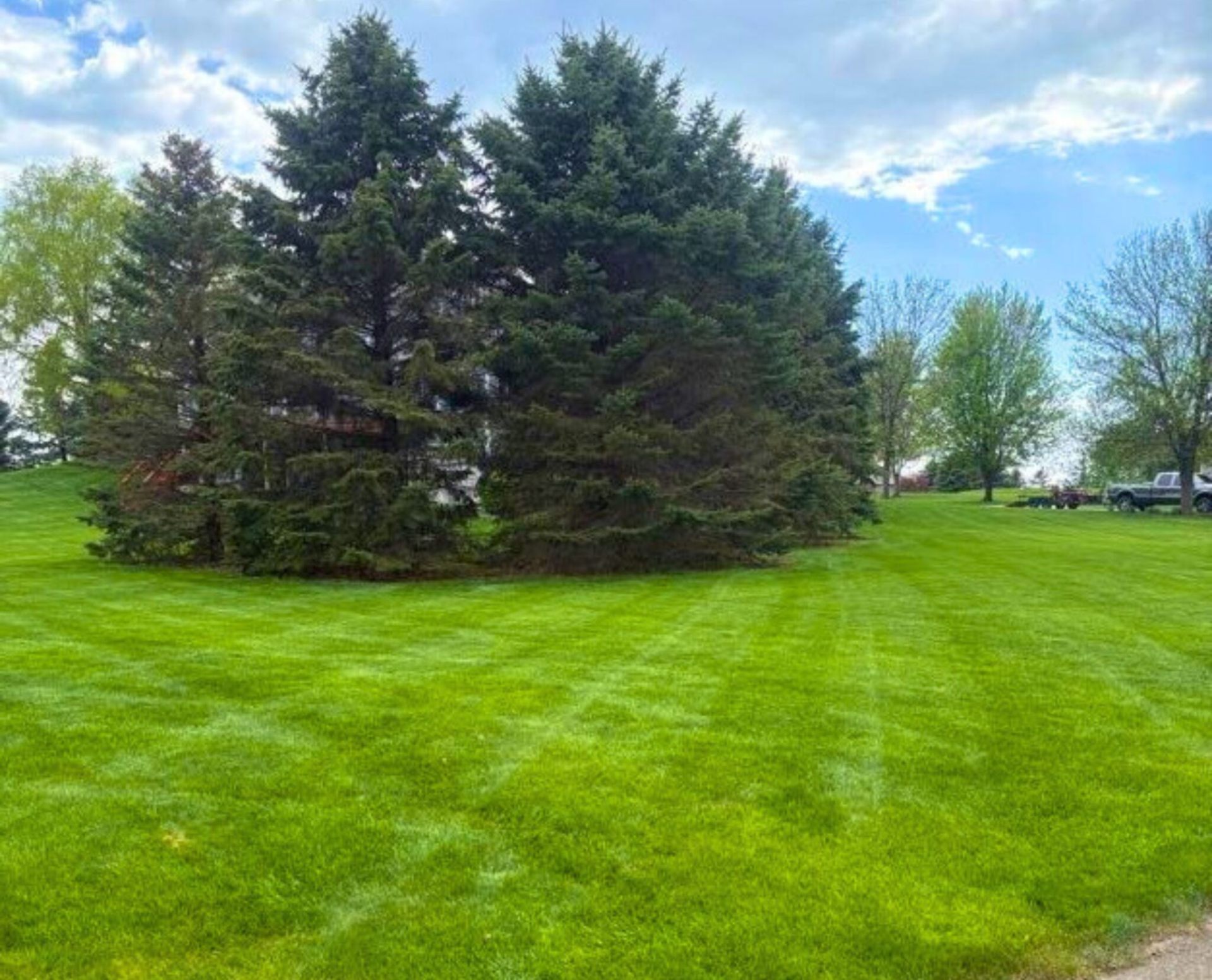
See examples of the quality work we deliver to our neighbors throughout Minnesota.
Find answers to common questions about our lawn care and landscaping services.
See how we stack up against the average lawn care company.
Expert tips on home ownership and maintenance to protect your investment.